
Paint That Sheds Pollen and UV Damage
Spray Ceramic Protection in Louisville for vehicles exposed to heavy pollen loads and intense summer UV
Louisville's pollen season and intense summer UV degrade unprotected clear coat faster than most owners realize, and waxing only delays the process temporarily. Major Shine Auto Spa and Mobile Detailing applies spray ceramic protection to paint surfaces after full decontamination, which means the ceramic bonds to clean clear coat rather than sealing over embedded pollen and environmental residue. Norton Commons and Gene Snyder Freeway corridor drivers see contamination build on unprotected paint within days of washing, and the contamination etches into the clear coat if left untreated through multiple pollen cycles.
The decontamination-first requirement ensures that the ceramic bonds correctly to the paint surface and lasts as long as the product is designed to last. Ceramic applied over contamination fails early because it adheres to the contaminants rather than the clear coat, and those contaminants break down under UV exposure and take the ceramic layer with them.
Request a paint surface inspection to determine decontamination needs and ceramic application readiness.
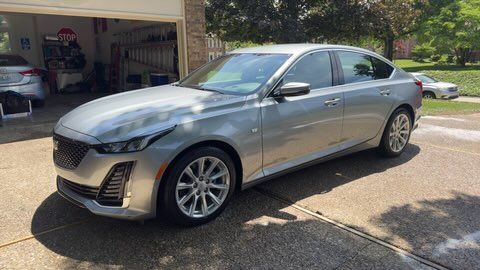
What Proper Ceramic Application Requires
The paint surface is decontaminated using chemical and mechanical processes to remove bonded pollen, tar, and industrial fallout that washing alone cannot address. Once the surface is clean, spray ceramic is applied in controlled layers and buffed to bond with the clear coat. The process takes longer than waxing because surface preparation cannot be skipped without compromising the bond.
After ceramic application, water sheets off the paint instead of beading in place, pollen wipes away with minimal effort during washing, and the paint maintains gloss longer between details. You notice that the vehicle stays cleaner between washes because contaminants no longer bond to the surface as aggressively as they did before protection was applied.
Spray ceramic protection lasts several months depending on exposure and washing frequency, which makes it a middle option between waxing and full multi-year
ceramic coatings. The service focuses on horizontal surfaces and high-exposure panels where UV and pollen damage occur most rapidly.
Common Questions About This Service
Prospect and Louisville luxury vehicle owners comparing spray ceramic to waxing want to know what the product actually does and whether the investment makes sense for their driving patterns.
What is the difference between spray ceramic and a full ceramic coating?
Spray ceramic provides several months of protection and can be applied more quickly, while full ceramic coatings require multi-step paint correction and last multiple years with higher upfront cost.
How does spray ceramic hold up during Louisville pollen season?
The ceramic layer prevents pollen from bonding directly to the clear coat, which means contamination wipes off more easily during washing and does not etch into the paint as quickly.
Why does decontamination matter before applying ceramic?
Ceramic bonds to whatever is on the paint surface, so if contamination is present, the ceramic seals over it and fails when the contamination breaks down under heat and UV exposure.
Can I apply spray ceramic myself after washing my vehicle?
Professional application includes decontamination steps and controlled buffing that ensure even bonding, while DIY application over a standard wash often results in uneven coverage and early failure.
How often does spray ceramic need to be reapplied?
Most spray ceramic formulations last between three and six months depending on exposure, washing frequency, and whether the vehicle is garaged or parked outdoors.
Major Shine Auto Spa and Mobile Detailing works with Louisville area vehicle owners who want protection that lasts longer than wax without committing to a multi-year coating. Schedule a ceramic protection consultation to review paint condition and application timing.